June 23, 2026
Where to Get Products to Sell Online: 7 Real Sources
Where to get products to sell online: 7 proven sourcing methods compared by cost, margin, and effort. Find the right inventory source for your store.
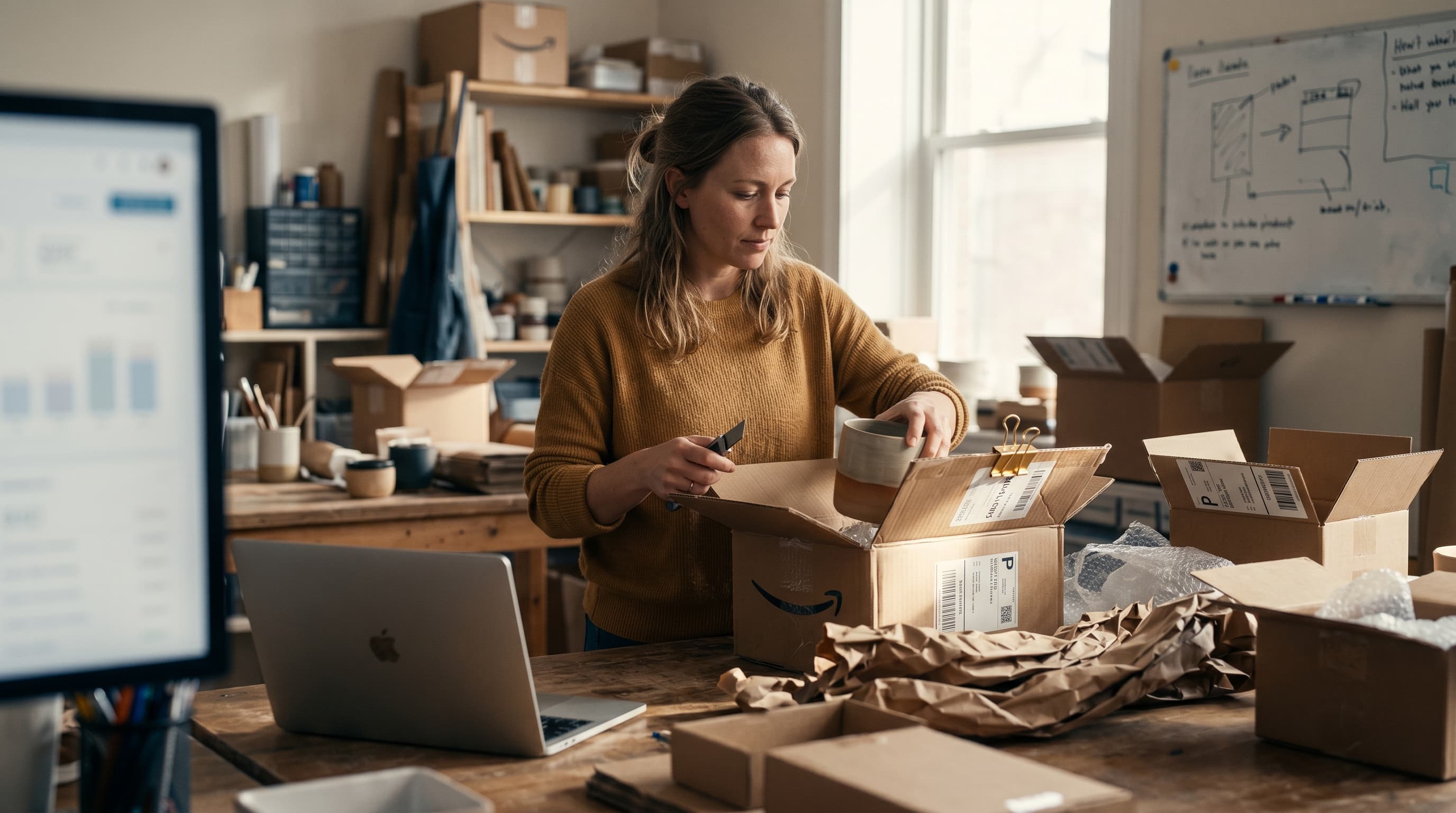
Figuring out where to get products to sell online is the single decision that shapes everything else about your store — your margins, your shipping times, your cash flow, and how much risk you carry. Get it right and you build a business with healthy profit and happy customers. Get it wrong and you're sitting on dead stock or chasing suppliers who ghost you. This guide walks through the seven real sources merchants actually use, what each one costs, and how to match a method to the kind of business you want to run.
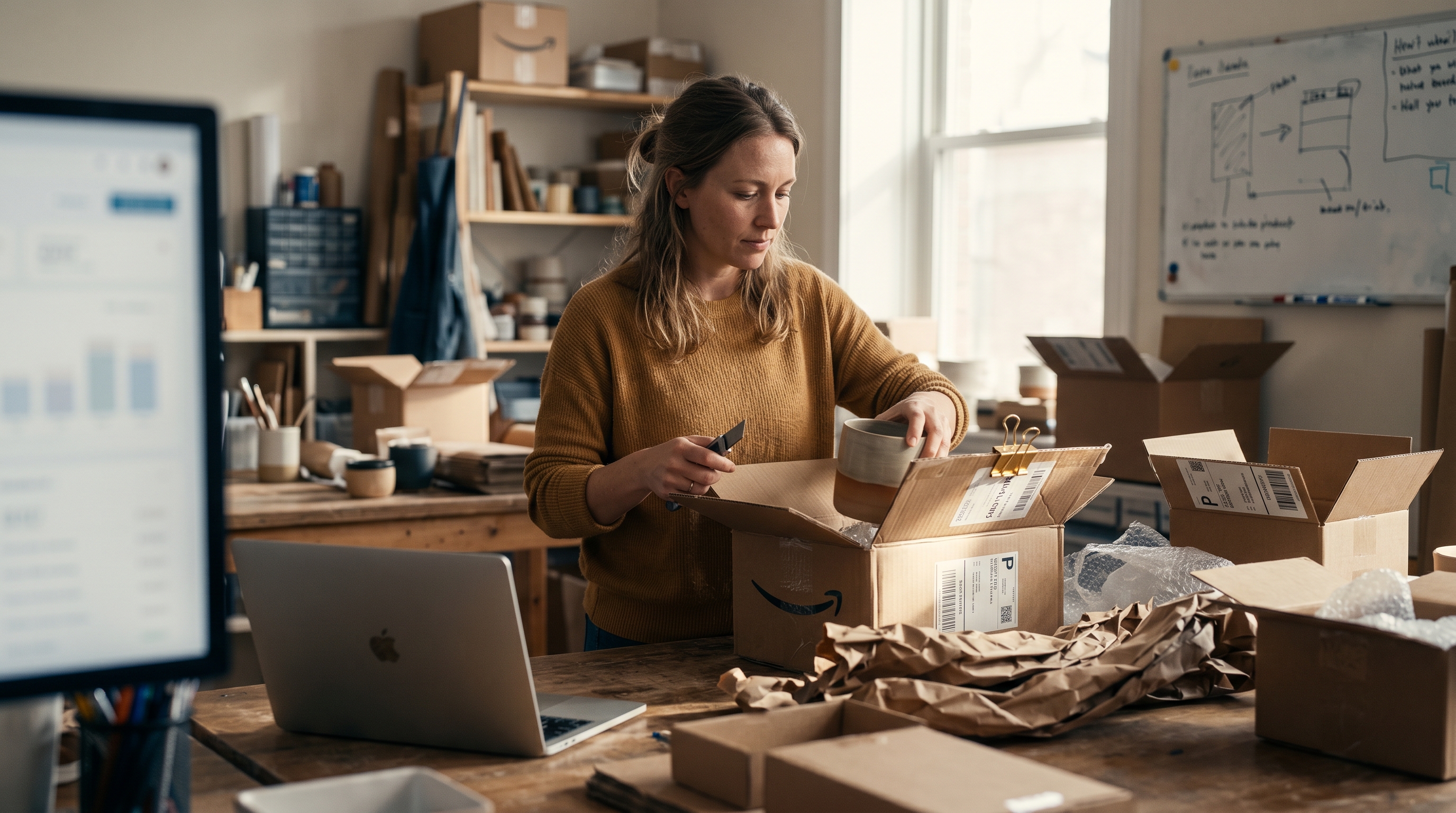
Where to Get Products to Sell Online: The 7 Main Sources
There's no single "best" place to source inventory. The right answer depends on your budget, how hands-on you want to be, and the margins you need to survive. Here are the seven sourcing channels that cover almost every online store on the market today.
- Wholesale suppliers — buy in bulk at a discount, resell at retail
- Manufacturers and private label — produce your own branded goods
- Dropshipping suppliers — sell without holding inventory
- Print-on-demand — sell custom designs printed per order
- Handmade and DIY — make products yourself
- Local and artisan sourcing — buy from makers near you
- Liquidation and surplus — buy overstock at deep discounts
Below, each method gets a fair look — the real cost, the upside, and the catch. Pick the one that fits where you are right now, not where you hope to be in three years. You can always layer in a second source as you grow.
How to Find Products to Sell Online Through Wholesale and Manufacturing
Wholesale is the classic answer to where to buy products to sell online. You purchase inventory in bulk from a distributor or directly from a brand, store it, and ship it yourself. Your profit is the gap between the wholesale price and what your customer pays. As a rule of thumb, retailers aim for a "keystone" markup — doubling the wholesale cost to set the retail price, which works out to a 50% gross margin — though actual numbers vary widely by category and how well you negotiate. The U.S. Small Business Administration covers the mechanics of pricing and markup in its guide to managing business finances, which is worth reading before you commit to a margin assumption.

The trade-off is upfront cash. You're buying stock before you've sold anything, so you carry the risk of products that don't move. Start small with a single best-seller before committing thousands to a category you're unsure about.
Where to source products to sell at wholesale
- Faire — curated wholesale marketplace strong on home goods, gifts, and indie brands, with net-60 terms and free returns on opening orders for new retailers
- Alibaba — global manufacturers and wholesalers, best for high-volume orders and custom manufacturing, with built-in Trade Assurance to protect payments
- Handshake and trade shows — events like NY NOW or ASD Market Week let you meet brands directly, sample products, and negotiate terms face to face
- Direct brand accounts — apply for a wholesale account with brands you already love; many list a "wholesale inquiries" link in their site footer
Private label takes wholesale a step further. You work with a private-label manufacturer to produce a generic product, then put your own branding on it. It costs more upfront and takes longer, but you own the brand and the margins are typically stronger because you've removed the middleman. This is how many established Amazon and DTC sellers — think brands that started with a single supplement, water bottle, or phone accessory — eventually scaled into recognizable names.
The compliance step most new sellers skip
Before you buy wholesale to resell, get your paperwork in order — this is the part generic guides leave out, and it can save you from sales-tax penalties or having an order canceled. In most U.S. states you'll need a resale certificate (sometimes called a seller's permit), which lets you buy inventory tax-free because you'll collect sales tax when you sell it; serious wholesale suppliers will ask for it before opening your account. If you plan to resell branded goods, confirm you have brand authorization — many manufacturers restrict who can sell their products online, and marketplaces like Amazon will pull listings without it. And if you're importing from overseas via Alibaba or similar, budget for import duties and customs fees; U.S. Customs and Border Protection sets the de minimis threshold and tariff rules that determine what you actually pay at the border.
Where to Buy Products to Sell Online Without Holding Inventory
If you don't have cash to tie up in stock, dropshipping and print-on-demand let you start with almost nothing. The supplier holds the inventory and ships directly to your customer when an order comes in. You never touch the product. That's the appeal — and also the limitation.
With dropshipping, you list a supplier's products on your store at a markup. When someone buys, you forward the order to the supplier, who fulfills it. Margins are slim — many dropshippers run on roughly 15–30% after platform and ad costs — and shipping can be slow if you're sourcing from overseas, but your startup cost is close to zero. Because the same supplier catalog is open to thousands of other sellers, the competition is fierce, so margins compress fast on any product that takes off.
Where to get inventory for an online store on a tight budget
- Dropshipping suppliers — platforms like Spocket, DSers, or Modalyst connect you to vetted suppliers and automate order routing
- Print-on-demand — services such as Printful and Printify print your designs on apparel, mugs, and posters per order
- US-based fulfillment partners — slower-but-reliable domestic suppliers that cut shipping times from weeks to days, a real advantage when customers expect fast delivery
Print-on-demand is ideal if you've got a design, a brand, or an audience but no warehouse. You upload artwork, the platform handles printing and shipping, and you keep the difference — usually in the 20–40% range depending on the product and your retail price. It's the lowest-risk way to test whether people actually want what you're selling. One caution: clear your designs of trademarked or copyrighted material, since POD platforms will remove infringing products and can suspend your account.
Low startup cost is not the same as easy. With no inventory edge, your store has to win on brand, product selection, and customer experience — not price.
Sourcing Products for an Online Store You Make Yourself
Making your own products — handmade goods, craft items, food, art — gives you the best margins and a story no competitor can copy. If you knit, bake, build, or design, you already have a supply chain: you. This is the most authentic answer to how to stock an online store when you're starting from scratch with skill instead of capital. Margins on handmade goods can reach 60–80% because your main input is labor rather than a wholesale invoice, though that math only holds if you price your own time honestly.

The constraint is time. You can only make so many units by hand, so handmade businesses hit a ceiling fast — many Etsy sellers describe the wall they hit when orders outpace the hours in a day. The smart move is to start handmade to validate demand, then transition your top one or two sellers to a small-batch manufacturer once orders consistently exceed what you can produce. Keep the slow-moving, made-to-order items by hand so you don't sink cash into manufacturing minimums for products that haven't proven themselves.
Local and artisan sourcing
Local and artisan sourcing is a close cousin to making products yourself. Instead of producing everything, you partner with makers in your area — a local coffee roaster, a soap maker, a small-batch furniture builder, a regional hot-sauce producer — and sell their work online. You get unique inventory competitors can't list, fast restocks (no overseas lead times), and a genuine local-business angle that customers reward. The practical path is to approach makers at farmers markets, craft fairs, or maker collectives and propose a consignment or wholesale arrangement; consignment lowers your upfront risk because you only pay for what sells, while a wholesale buy gives you a better margin once you're confident the product moves. Get a simple written agreement covering pricing, restock timing, and who handles returns — even with a neighbor you trust.
Comparing the Best Places to Source Products to Sell
Here's how the main methods stack up on the factors that actually matter when you're deciding where to source products to sell. The margin ranges below are typical industry benchmarks compiled from common retail markup practice — treat them as planning estimates, not guarantees, since your real numbers depend on category, ad spend, and negotiation. Use the table to narrow your shortlist before you commit cash or time.
| Sourcing method | Upfront cost | Typical margin | Effort | Best for |
|---|---|---|---|---|
| Wholesale | High | 40-60% | Medium | Proven products, steady demand |
| Private label | Very high | 50-70% | High | Building a real brand |
| Dropshipping | Very low | 15-30% | Low | Testing ideas, no capital |
| Print-on-demand | Very low | 20-40% | Low | Designers, creators, niches |
| Handmade | Low | 60-80% | Very high | Crafters, artists, makers |
| Liquidation | Medium | variable | Medium | Bargain hunters, resellers |
Notice the pattern: low upfront cost almost always means lower margins and more competition, while higher investment buys you better margins and a defensible brand. The cheapest sourcing channels are also the most crowded — which is why operators who start with dropshipping or POD so often migrate toward wholesale or private label once they've validated a winner. Match the channel to your stage, then graduate as the data tells you to.
Liquidation and surplus: where to buy products to sell online cheap
Liquidation marketplaces sell overstock, customer returns, and shelf-pulls from major retailers at steep discounts. You can score brand-name inventory for pennies on the dollar — if you're willing to sort through mixed-quality pallets and handle the occasional damaged item. It rewards diligence and a good eye over deep pockets.
The two best-known sources are B-Stock, which runs the official liquidation auctions for retailers like Walmart, Target, and Costco, and Liquidation.com, which sells returns and overstock across nearly every category. Pallets are typically sold in three conditions you'll see in every listing: new/overstock (unopened, lowest risk), customer returns (mixed condition, the most common and most variable), and salvage/as-is (cheapest, expect significant defects). A practical approach for beginners is to start with a single small "new/overstock" lot in a category you understand, factor in that 10–30% of returns pallets may be unsellable, and only scale up once you've actually sorted, tested, and resold a pallet end to end. Note the same resale-certificate and brand-authorization rules from the wholesale section apply here too — liquidation inventory is still resale, and reselling certain branded goods may require authorization.
How to Vet a Supplier Before You Buy
Wherever you land, the supplier relationship makes or breaks your store. A flaky supplier means stockouts, late shipments, and refund requests landing on your desk. Run every potential source through this checklist before you place a real order.
- Order samples first. Never list a product you haven't held. Photos lie; samples don't.
- Check minimum order quantities (MOQs). Make sure the entry point fits your budget and storage.
- Confirm lead times and shipping. Ask how long restocks take and where the product ships from.
- Read reviews and request references. Talk to other merchants who use the supplier.
- Verify the paperwork. Confirm you have the resale certificate, brand authorization, and any import documentation your channel requires.
- Clarify returns and defect policy. Know who eats the cost when something arrives broken.
- Start with a small order. Prove the relationship works before scaling your commitment.
One more thing experienced operators know: diversify. Don't let one supplier control your entire catalog. If they raise prices, run out, or disappear, a single-source store can collapse overnight. Two reliable suppliers beat one perfect one.
Turning Your Source Into a Real Store
Finding products to sell in an online store is only half the job. Once you've got inventory locked in, you need a storefront that converts browsers into buyers — with a fast catalog, a clean checkout, abandoned-cart recovery, reviews, and analytics so you can see what's actually selling.
That's the part where most new merchants stall. Stitching together a platform, a payment processor, and a dozen plugins eats weeks and thousands of dollars before you've made a single sale. The faster you can get a working store live, the faster you learn whether your sourcing choice was right.
This is exactly the gap Rovela closes. You describe your business in plain words, and the platform builds a complete store — storefront, catalog, Stripe checkout, customer accounts, shipping tools, and 100+ features like abandoned cart and reviews included by default. No app stack, no developer, no plugin bills. A new store can go live in hours, and you can check the flat monthly pricing before you commit a cent.
So decide where to source first — wholesale, private label, dropshipping, print-on-demand, or your own hands — then validate fast with a small batch and a live store. Want more guidance on launching? Read our operator-tested ecommerce playbooks for practical advice on getting your first sales. The best sourcing decision is the one you test in the real world, not the one you overthink for months.