June 20, 2026
How to Start an Online Boutique From Home in 2026
A practical, step-by-step guide to starting an online boutique from home — from picking a niche to launching your store and making your first sale.
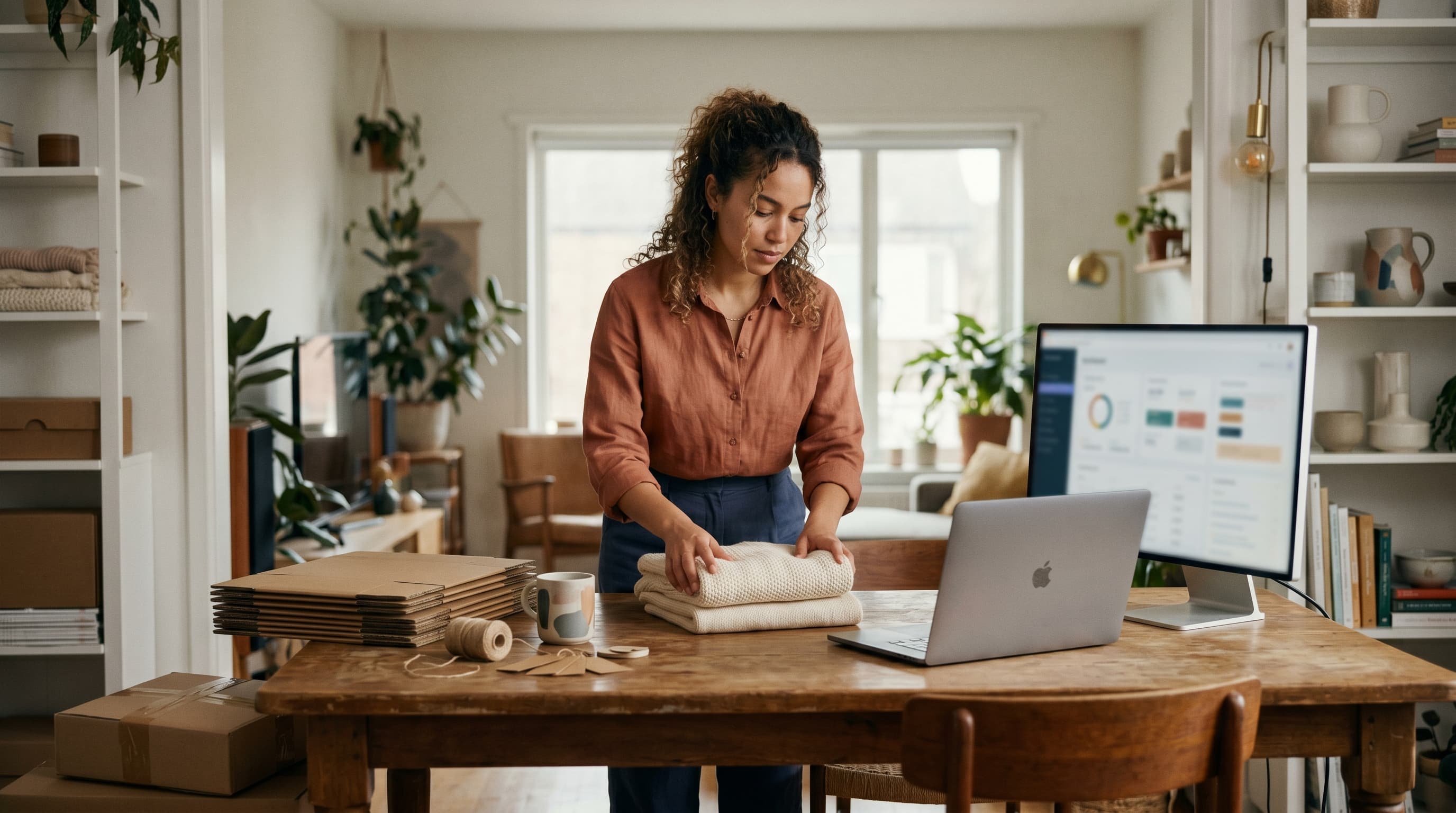
Learning how to start an online boutique from home used to mean choosing between a clunky template builder and a $10,000 developer invoice. Neither of those is necessary anymore. With a spare room, a laptop, and a clear idea of what you want to sell, you can run a real home based boutique business that ships orders, collects payments, and grows into something far bigger than a side project. This guide walks you through every step — niche, sourcing, pricing, store setup, and your first 90 days — without the fluff.

Why Start a Boutique From Home Right Now
Global e-commerce is approaching $7 trillion in annual sales and now makes up roughly 21% of all retail worldwide. People buy clothes, jewelry, candles, and homeware online every single day — and they increasingly prefer small, distinctive brands over big-box uniformity. That's exactly the gap a home boutique fills.
The barrier to entry has collapsed. You no longer need a storefront lease, a warehouse, or a designer on retainer. A boutique business from home can launch with a few hundred dollars of inventory and a kitchen table. Many founders treat it as an online boutique side hustle first, then scale it into full-time income once the orders prove the demand.
What's changed most is tooling. The setup work that once took weeks now takes hours, which means you can spend your energy on the parts that actually grow a business: product, brand, and customers.
Who This Works For
- Anyone with a strong eye for a specific style or category
- Crafters and makers who already produce items by hand
- People who want a flexible income they can run around a job or kids
- Resellers who can source trend-driven products cheaply and consistently
How to Start an Online Boutique From Home: The 7 Steps
Here's the short version before we go deep: pick a niche, validate demand, source products, set up your store, price for profit, launch, and market. Do these in order and you'll avoid the most common reason home boutiques stall — building a store before knowing what sells.

1. Choose a Niche You Can Own
Broad stores struggle. "Women's clothing" competes with everyone; "linen clothing for petite women over 40" competes with almost no one. A tight niche makes your marketing cheaper, your brand clearer, and your customers more loyal.
Strong small home boutique ideas tend to combine a specific customer with a specific style. A few examples to spark direction:
- Handmade ceramic mugs and tableware for coffee lovers
- Modest plus-size occasion wear
- Sustainable baby and toddler clothing
- Vintage band tees and reworked denim
- Minimalist gold jewelry under $50
2. Validate Demand Before You Spend
Before buying inventory, confirm people actually want what you're planning to sell. Search your product ideas on Google Trends to see whether interest is rising or fading. Check how many sellers already offer it and at what price — some competition is healthy, none is a red flag, and saturation is a warning.
The cheapest validation is conversation. Post your concept in a relevant Facebook group or on TikTok and watch the reaction. If strangers ask "where can I buy this?" you have a signal worth acting on.
3. Source Your Products
You have four realistic sourcing routes when you start a boutique from home, each with a different cash and effort profile:
| Model | Upfront cost | Margin | Best for |
|---|---|---|---|
| Handmade | Low | High | Makers and crafters |
| Wholesale | Medium | Medium-High | Curated boutiques |
| Print-on-demand | Very low | Low-Medium | Apparel and accessories |
| Dropshipping | Very low | Low | Testing trends fast |
For a true home boutique startup on a tight budget, many founders blend models: handmade hero products for margin and identity, plus a few wholesale pieces to round out the collection.
4. Handle the Boring-but-Essential Setup
Register your business so you can buy wholesale and stay on the right side of tax rules. In the US, that usually means a simple LLC or sole proprietorship and a sales tax permit — the U.S. Small Business Administration has free guidance on the basics. Open a separate bank account from day one so your personal and business money never tangle.
Pick a name that's available as a domain and a social handle. Keep it short, easy to spell, and broad enough to grow beyond your first product line.
Building Your Store Without Code or a Designer
This is where most people overthink it. You don't need to learn web design, wrestle with plugins, or hire anyone. The goal is a fast, professional storefront that takes payments and looks like a brand customers trust.
What Every Boutique Store Actually Needs
Whether you build it yourself or use a platform, a store that's ready to sell includes:
- A clean storefront with strong product photos
- Secure checkout (Stripe, PayPal, or both)
- An admin dashboard to manage orders and inventory
- Customer accounts and email confirmations
- Abandoned cart recovery — most carts get abandoned, and recovery emails win a chunk back
- Wishlists, reviews, and basic shipping tools
On traditional platforms like Shopify, essentials like abandoned cart and wishlists usually require paid apps on top of your monthly plan — and the average store runs six of them. Those bills add up fast for a boutique still finding its feet.
The Faster Path
Newer AI-powered platforms remove that whole stack. With Rovela, you describe your boutique in plain words and get a complete store — storefront, catalog, Stripe checkout, dashboard, and 100+ features like abandoned cart, loyalty, and reviews built in by default. A new store can go live in hours instead of weeks, and you tweak anything later just by asking in chat.
The practical benefit for a home boutique is cost control: one flat subscription instead of a base plan plus a dozen app fees. Merchants on that model typically save $5,000+ a year versus a stacked platform setup. You can compare what's included on the pricing page.
Pricing, Photos, and Listings That Convert
A beautiful store sells nothing if the products are priced wrong or shot badly. These three details decide whether visitors become buyers.
Price for Profit, Not Just Sales
Calculate your true cost per item — product, packaging, shipping, payment fees, and a share of your platform cost — then mark up enough to leave real margin. A common boutique benchmark is pricing at 2.2x to 2.5x your landed cost. If that number feels too high to sell, your sourcing or niche needs work, not your price.
Photograph Like a Pro on a Phone
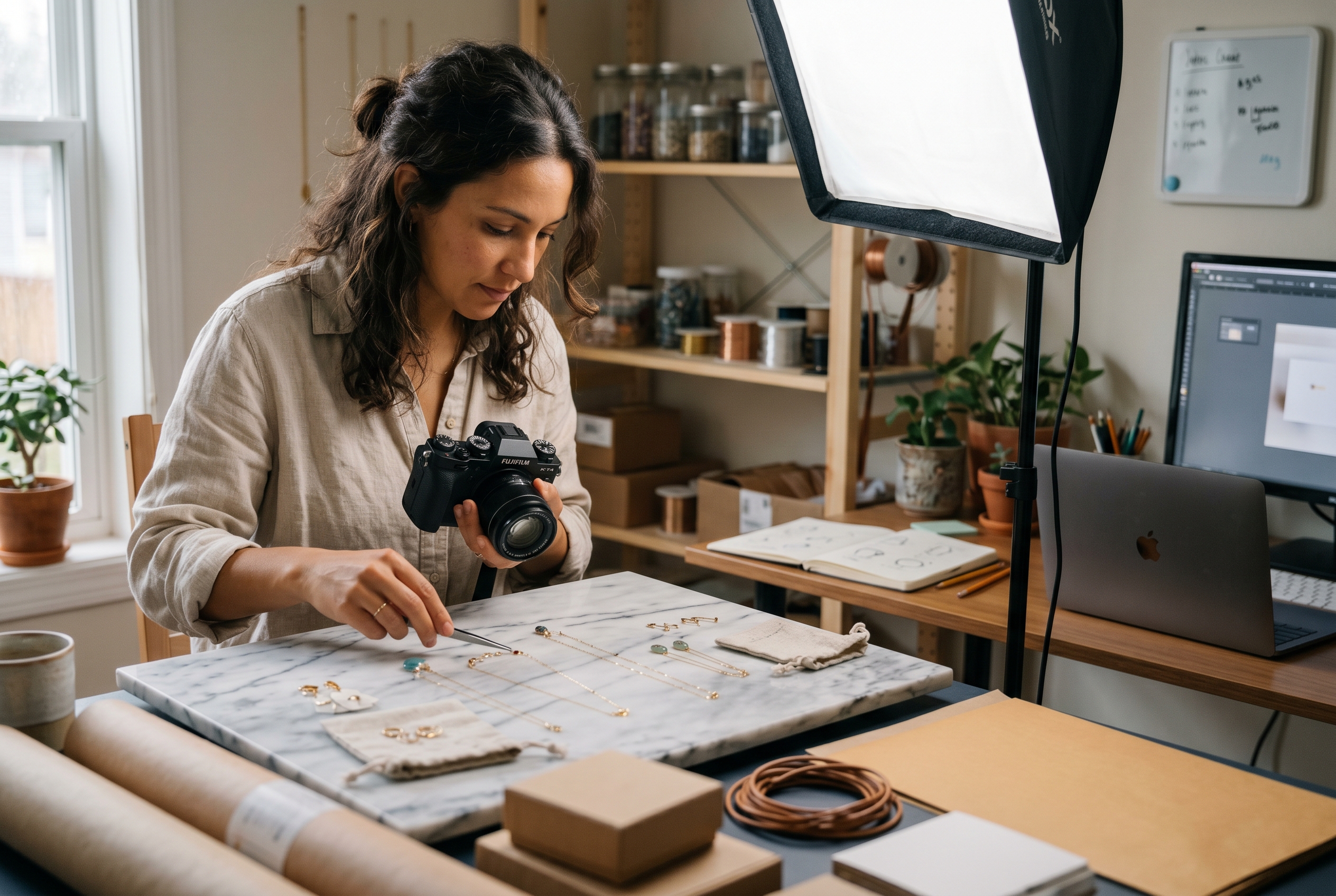
You don't need a camera. Natural window light, a clean backdrop, and a modern phone produce listing photos that outperform most expensive setups. Shoot every product from multiple angles, show scale, and include at least one lifestyle shot of the item in use.
Write Descriptions That Answer Questions
Cover material, fit, sizing, and care up front so customers don't hesitate. Lead with the benefit ("breathable linen that keeps you cool all day"), then list the specifics. Good descriptions also help you rank — they give search engines real content to index, which matters when you're learning how to start a clothing boutique from home and need free traffic.
Launching and Marketing Your Home Boutique
A live store is the starting line, not the finish. Your first 90 days are about getting in front of the right people cheaply and turning early visitors into repeat buyers.
Your First 90 Days
- Soft launch to your network. Friends, family, and your existing socials are your easiest first sales and your most honest feedback.
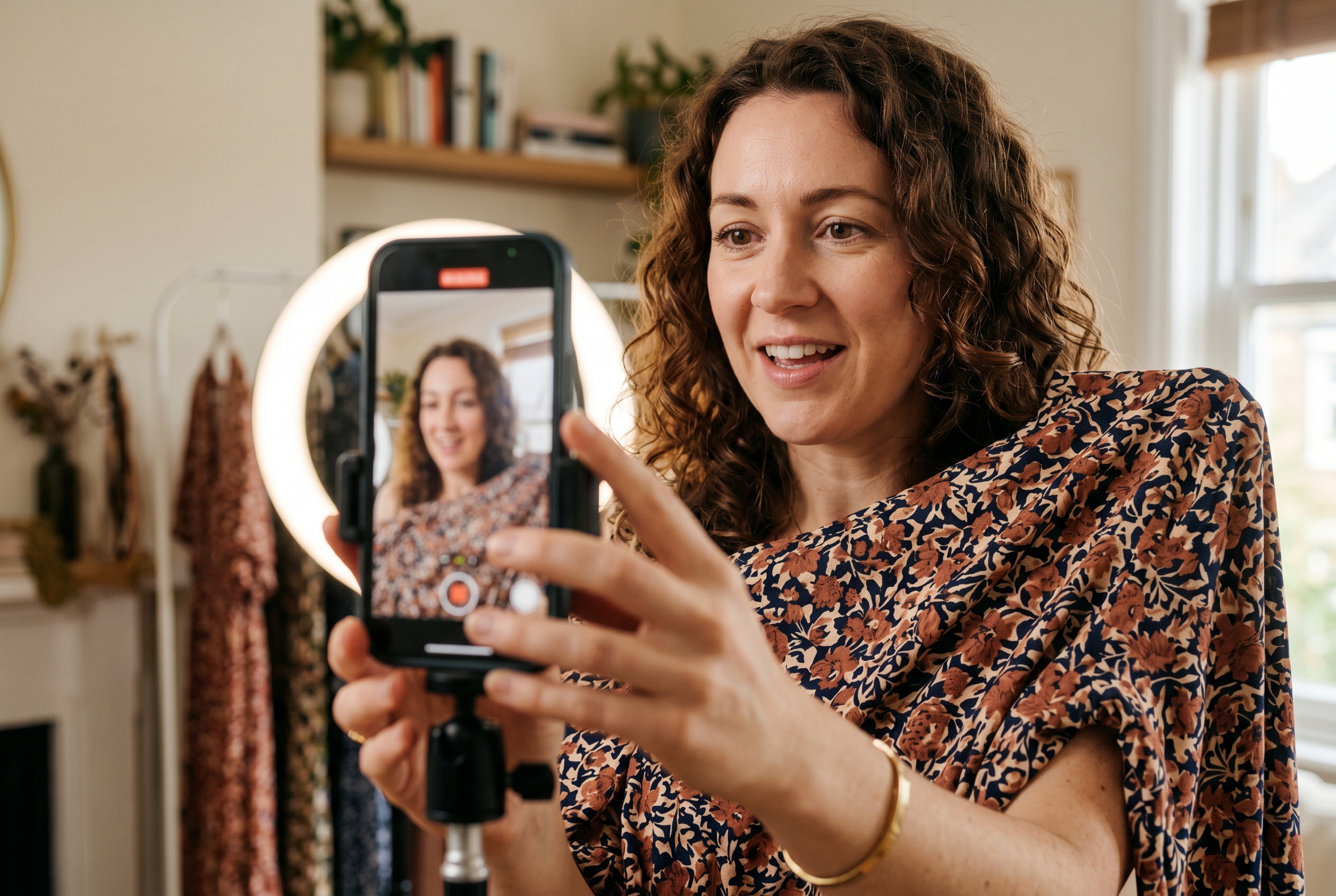
- Post consistently on one channel. Pick TikTok or Instagram and post short product videos daily rather than spreading thin across five platforms.
- Collect emails from day one. Offer a small discount for signups; email remains the highest-ROI channel for any home based boutique business.
- Turn on automations. Abandoned cart and welcome emails recover sales while you sleep.
- Ask for reviews. Social proof early on lowers the risk for every future buyer.
Keep It Sustainable
The biggest threat to any side venture is burnout. Batch your work — shoot a month of photos in one session, schedule posts in advance, and let automations handle repetitive admin. Recovering even two hours a week from busywork is the difference between a boutique you enjoy and one you quietly abandon. If you want to run a boutique from home for years, protect your time as fiercely as your margins.
Common Questions About Starting a Home Boutique
How much does it cost to start a boutique from home?
Most home boutiques launch for $500 to $2,000. That covers a small first batch of inventory, packaging, a domain, and a store platform. Print-on-demand and dropshipping models can start for under $200 since you don't hold stock upfront.
Do I need a business license?
Usually yes. Requirements vary by country and state, but a basic business registration and a sales tax permit are standard for selling physical products. Check your local rules early — it's cheaper to do it right than to fix it later.
Can I run a boutique alongside a full-time job?
Absolutely. An online boutique side hustle is one of the most common ways founders start. With automations handling carts, emails, and order confirmations, the day-to-day demands far less time than people expect.
Your Next Step
Starting an online boutique from home comes down to a handful of decisions made in the right order: own a niche, prove demand, source smart, price for margin, and launch fast. The technology is no longer the hard part — your judgment about what to sell and who to sell it to is what wins.
When you're ready to build, skip the app stack and the weeks of setup. Rovela turns a plain-language description of your boutique into a complete, ready-to-sell store in hours, with the features other platforms charge extra for already included. Describe your idea, watch it come to life, and put your energy where it belongs — on your products and your customers. Browse more guides on the Rovela blog as you grow.