
By El Ghali Bennis · Published
How to Start a Food Subscription Box: A Full Guide
Learn how to start a food subscription box with real margin math, startup costs, platform comparisons, and proven tactics to keep subscribers longer.
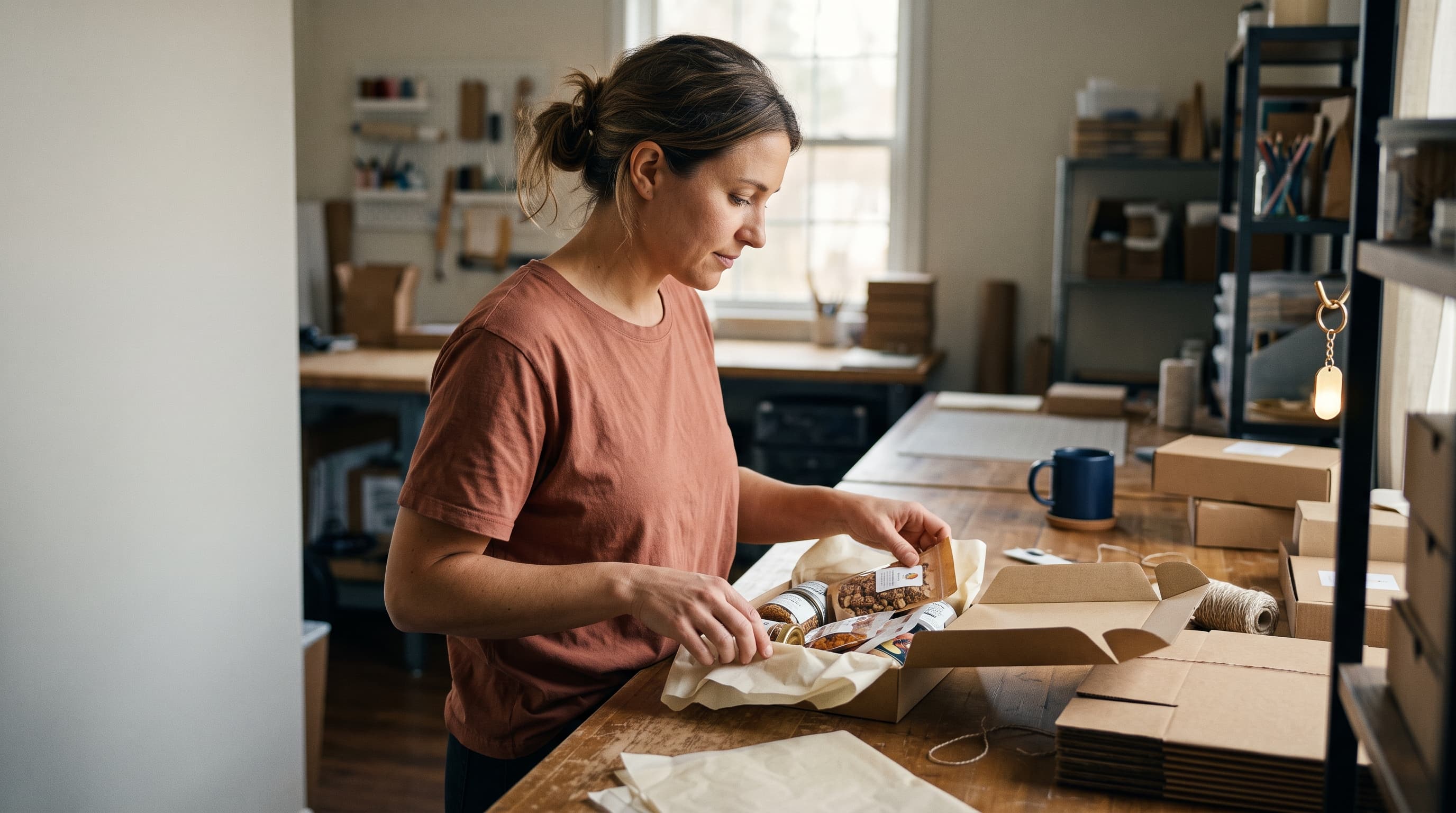
Figuring out how to start a food subscription box comes down to three things: a box people actually want, margins that survive shipping costs, and a system that charges customers every month without you touching a thing. Get those right and you've got a business that pays you while you sleep. Get them wrong and you're eating the cost of spoiled inventory and churned subscribers. This guide walks through every step — from picking your niche to running recurring food orders — so you launch with a plan instead of a hunch.

The category is bigger than most people realize. The global subscription box market was valued at roughly $26.9 billion in 2023 and is projected to grow at a compound annual rate above 18% through the end of the decade, according to Grand View Research. Food and beverage is one of the strongest verticals within it — coffee, snacks, meal kits, artisan pantry goods, international treats. If you can curate something people crave on repeat, there's room for you.
What Is a Food Subscription Box?
A food subscription box is a curated selection of food or beverage products delivered to a customer on a recurring schedule — usually monthly — and billed automatically. Instead of a single purchase, the customer pays on a repeating cycle until they pause or cancel, giving the business predictable recurring revenue.
That definition matters because it shapes every decision that follows. You are not selling a product once; you are selling a relationship that has to earn its keep every billing cycle. Coffee clubs, snack boxes for offices, gluten-free pantry crates, and international treat samplers are all variations on the same recurring model.
Why a Food Subscription Box Business Works
Recurring revenue is the whole point. A one-time sale is a hustle you repeat forever. A subscription is a customer who pays you again automatically until they decide to stop. That single difference changes how you forecast, how you spend on ads, and how much your business is eventually worth.
Food is especially well suited to this model. People restock consumables constantly, so you're not fighting the "I already bought one" problem that kills subscription boxes selling durable goods. A great curated food box subscription turns a routine purchase into something customers look forward to opening.
The economics also reward retention. Acquiring a subscriber costs money once; every month they stay, profit compounds. Research from McKinsey found that nearly 40% of subscription box customers cancel their subscriptions, and that curation-driven boxes see the steepest churn — a reminder that your job is to build a box worth keeping, not just worth trying once. Real-world proof exists at scale: coffee subscription pioneer Trade grew to more than 400 roaster partnerships, and snack-sampler brand SnackNation built its business by focusing tightly on office teams rather than every consumer at once.
Popular formats that sell
- Snack boxes — the easiest entry point, wide appeal, low per-unit cost.
- Coffee and tea — high margins, passionate buyers, strong repeat behavior.
- Meal kits — larger order values but real logistics and cold-chain complexity (more on that below).
- Regional or international treats — built-in discovery and gifting appeal.
- Dietary niches — keto, gluten-free, vegan boxes that solve a specific problem.
A note on meal kits and cold-chain logistics
Meal kits deserve their own warning label. Fresh and frozen boxes require insulated packaging, gel packs or dry ice, and delivery windows tight enough that food arrives safe. That means partnering with carriers who offer expedited or refrigerated shipping, testing thermal packaging in the hottest weeks of the year, and following USDA guidance on the 40°F–140°F "danger zone". Cold-chain shipping can add $8–$15 per box, which is why most first-timers start with shelf-stable snacks, coffee, or pantry goods before tackling perishables.
How to Start a Food Subscription Box Step by Step
You don't need a warehouse or a co-packer on day one. You need a clear niche, a tested box, and a way to take recurring payments. Here's the order that keeps you from wasting money.

1. Pick a niche narrow enough to win
"A food box for everyone" is a box for no one. Start with a specific customer and a specific craving. A snack box subscription for office teams is a different business than a spicy-snack box for heat-seekers, even though both ship chips and jerky. The narrower your angle, the cheaper your marketing and the higher your retention.
2. Source your products
Reach out to small producers, wholesalers, and importers. Many artisan food brands will sell to you at wholesale or even give you free samples in exchange for exposure to your subscribers. Negotiate for consistent supply — nothing kills a subscription food delivery business faster than promising a box you can't fill next month.
3. Nail your unit economics before you launch
Add up product cost, packaging, shipping, and payment fees per box, then price so you keep a healthy margin after all of it. Aim for a gross margin of 40% or more. Here's the math worked out for a shelf-stable snack box priced at $35:
- Products (wholesale): $12.00
- Packaging (box, filler, insert card): $3.50
- Shipping: $6.00
- Payment processing (~2.9% + $0.30): $1.32
- Total cost per box: $22.82
- Gross profit: $12.18 — a 35% margin
That example lands just under the 40% target, which shows how thin the room is. Trim the shipping cost by $2 through standardized box sizes, and you clear 40%. Now flip it: if a box costs you $18 all-in and you charge only $25, one lost package or one refund wipes out three subscribers' worth of profit. Run these numbers before you order a single label.
4. Handle food safety and compliance
Food is regulated. Depending on where you operate, you may need labeling that lists ingredients and allergens, proper storage, and registration with a food authority. In the US, the FDA food labeling guide sets rules for packaged food. Check local requirements early — it's far cheaper than a recall.
5. Build the box experience
Unboxing is your marketing. Thoughtful packaging, a printed card explaining each item, and a consistent brand feel turn subscribers into people who post your box on social media. That free word-of-mouth is worth more than any ad.
6. Launch, learn, and iterate
Start with a small founding cohort — even 20 subscribers teaches you what breaks. Watch which items get raves and which get returned. Adjust curation monthly. The businesses that last treat the first 90 days as a research phase, not a finish line.
What Does It Cost to Start a Food Subscription Box?
A lean food subscription box can launch for $2,000–$5,000, covering initial inventory, packaging, a platform subscription, and small-batch shipping tests. Costs climb with perishable products, custom packaging, and paid ads. Most founders start on their kitchen table and reinvest early revenue before scaling.
The biggest hidden expense is not inventory — it's the tech stack. Stitching together a store, a subscription app, an email tool, and analytics can quietly cost $100–$300 a month before you sell a single box. Choosing a platform with those features built in keeps your startup budget where it belongs: in the box.
Choosing the Right Meal Subscription Box Platform
The technology decision matters more than founders expect, because a subscription box lives or dies on billing. You need a recurring food orders website that charges cards automatically, manages skips and pauses, handles failed payments, and shows customers a clean account page. Miss any of those and you'll lose revenue you never see.

Most people default to stitching together a store platform plus a subscription app plus an email tool plus analytics. It works, but the app bills stack up and the pieces fight each other. Here's how the common options compare for someone building a meal subscription box platform.
| Approach | Recurring billing | Typical monthly cost | Setup effort |
|---|---|---|---|
| Shopify + subscription apps | Via paid app + fees | $39–$399 base + $50–$200 apps | Moderate — assemble app stack |
| WooCommerce + plugins | Via plugins you maintain | $30–$100 hosting + plugins | High — you patch everything |
| Wix / Squarespace | Limited, often paywalled | $17–$399 base | Low but shallow features |
| Rovela (built-in) | Included with Stripe by default | Single flat subscription | Low — configured from a chat brief |
What separates a smooth launch from a stalled one is how much of this comes ready out of the box. Abandoned cart recovery, customer accounts, loyalty, and email automations aren't nice-to-haves for a subscription business — they're the difference between 5% churn and 15%. On most platforms those are extra apps with extra bills. On Rovela's all-in-one commerce platform they're included, so a new store can go live in hours instead of weeks, and the site stays fast no matter how many features you turn on.
What your platform must handle
- Automatic recurring charges through a trusted processor like Stripe.
- Skip, pause, and cancel self-service — reduces support tickets and refunds.
- Failed-payment recovery — dunning emails that save subscriptions before they lapse.
- Abandoned cart and email flows to convert browsers and win back churners.
- A clean mobile checkout — most food buyers sign up from their phones.
Pricing, Shipping, and Retention
Once you know how to start a food subscription box operationally, the money question is pricing. Price too low and shipping eats you alive; price too high and you scare off first-time buyers. The sweet spot depends on your margin math, not on what a competitor charges.
Structure your pricing
Offer a monthly plan as your default and a discounted quarterly or annual plan to lock in commitment. Prepaid plans slash churn because the customer has already decided. Many a successful start a snack box subscription launch leans on annual plans sold as gifts during the holidays.
Get shipping under control
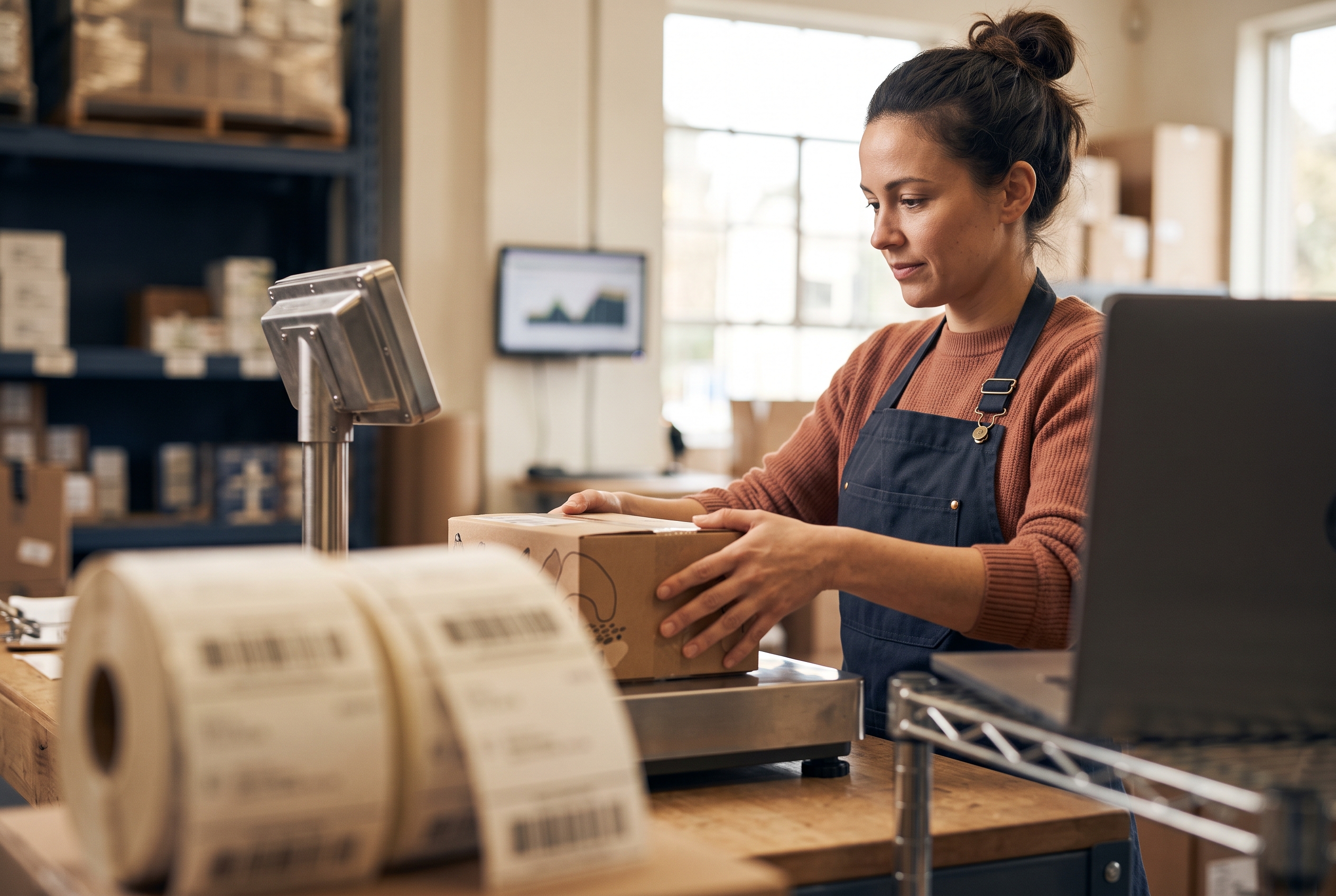
Shipping is where food boxes bleed. Weight, dimensions, and cold-chain needs all raise the cost. Compare published rates directly — the USPS business rate pages are a good baseline for flat-rate options before you negotiate carrier discounts. Tips that keep margins intact:
- Negotiate rates once volume grows — carriers reward consistent shippers.
- Standardize box sizes so packing is fast and rates are predictable.
- Build shipping into the sticker price rather than adding it at checkout, which spikes abandonment.
- Batch fulfillment on a set day each month to cut labor.
Fight churn from day one
Retention is the game. A subscriber who stays 12 months is worth far more than one who stays two. Keep them by varying curation so no two boxes feel identical, emailing a sneak peek before each ship date, and rewarding loyalty. A simple points or referral program turns happy customers into a growth channel. These retention tools are exactly why picking a full-featured snack subscription box builder beats duct-taping apps together — the automations run themselves.
Common Mistakes That Sink a Food Box Business
Most food subscription boxes don't fail because the food was bad. They fail because of avoidable business mistakes. Here are the ones that come up again and again.
- Underpricing to compete. A race to the bottom in a shipping-heavy category is a death spiral. Charge what your margins need.
- Ignoring churn. Founders obsess over new signups while quietly losing the ones they have. With average box churn near 40%, track monthly retention like your life depends on it.
- Over-promising variety. If you can't reliably source it, don't promise it. Broken expectations cause cancellations.
- Cheap unboxing. The box is the product experience. Skimping here kills word of mouth.
- Fragile tech. If your billing fails silently, you lose revenue you'll never notice until it's gone.
Avoid those and you're already ahead of most first-time founders. The rest is iteration — listen to subscribers, refine the box, and let recurring revenue compound.
Ready to Launch Your Food Subscription Box?
Starting a food subscription box business rewards focus: a tight niche, honest margins, unboxing worth sharing, and billing that never drops the ball. Nail those and recurring revenue does the heavy lifting. The one piece you shouldn't improvise is the platform, because a stalled charge or a clunky checkout costs you the subscribers you worked hardest to win.
If you'd rather describe your box in plain words and have a complete store — storefront, Stripe checkout, recurring billing, customer accounts, loyalty, and email automations all included — go live in hours instead of weeks, Rovela builds your subscription store from a conversation. See what's included on the Rovela pricing plans, or browse more ecommerce launch guides on the Rovela blog. Your first subscriber could be signing up this week.
