June 21, 2026
How to Get Customers for Your Online Store for Free
No ad budget? No problem. Here are the free, proven channels that bring real customers to a brand-new online store — and how to land your first sale fast.
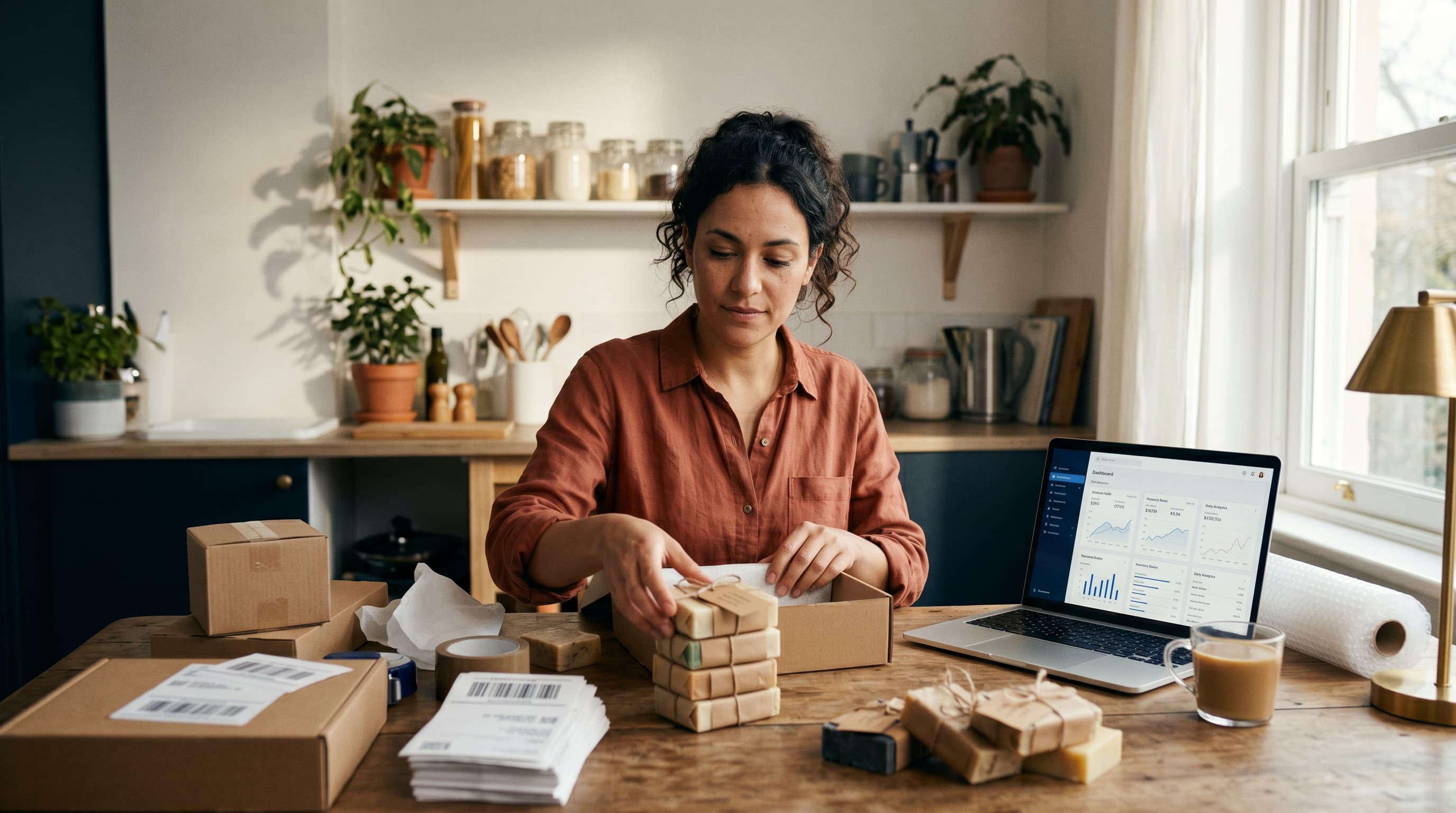
Launching a store with zero marketing budget feels like shouting into an empty room. But plenty of merchants land their first 100 sales without spending a dollar on ads. Learning how to get customers for your online store for free isn't about hacks or luck — it's about showing up consistently where your buyers already spend time, and giving them a reason to click. This guide walks through the exact free channels that work for new stores, in the order you should tackle them, so you can start driving traffic and sales this week.
Why Free Traffic Beats Paid Ads for a New Store
When you're just starting, every dollar matters. Paid ads can work, but they punish stores that haven't figured out their product, pricing, or messaging yet. You burn cash teaching the algorithm while learning your own business at the same time.
Free channels force you to do the harder, more valuable work first: understand who your customer is, what words they use, and what makes them buy. That knowledge compounds. A blog post you write today keeps pulling in search traffic two years from now. A paid ad stops the second you stop paying.
There's a financial angle too. The average Shopify store runs on a stack of paid apps and ad spend that eats margins before a single organic visitor arrives. Building a free traffic engine first means you keep more of every sale. According to retail data from Statista, organic search and social still drive the majority of e-commerce discovery — channels you can tap without a budget.
The catch: free traffic costs time instead of money. The merchants who win treat it like a job, not a lottery ticket. Pick two or three channels below and work them hard rather than spreading thin across all of them.
SEO for a New Online Store: Your Long-Term Engine
Search engine optimization is the highest-leverage free marketing for an online store. People searching Google are actively looking to buy — you just need your store to show up when they do. The downside is patience: SEO for a new online store takes weeks to months to gain traction, which is exactly why you start today.

Find keywords your buyers actually type
Forget broad terms like "shoes" — you'll never rank against giants. Target specific, lower-competition phrases that signal buying intent, like "vegan leather sneakers for wide feet." These long-tail keywords convert better and are realistic to rank for. Use the free Google Search Console and Google's autocomplete to mine ideas.
Optimize the pages that matter
Your product and category pages do the heavy lifting. For each one:
- Put the keyword in the page title, the URL, and the first paragraph of the description
- Write unique product descriptions — never paste the manufacturer's copy
- Add real photos with descriptive alt text
- Keep load times fast; slow mobile pages tank rankings and conversions
Publish content that answers questions
A blog turns your store into an answer machine. If you sell coffee gear, write "how to make pour-over coffee without a scale." That post pulls in searchers, builds trust, and links to your products. This is how you drive traffic to your online store for free on autopilot once the posts rank.
One structural note: page speed and clean code matter enormously for SEO, yet most platforms slow to a crawl once you stack on plugins. Stores built on a fast, modern foundation — like the Next.js stores Rovela generates — stay search-ready out of the box, which removes a technical hurdle most new merchants don't even know they have.
Free Ways to Get Sales Online Through Social Media
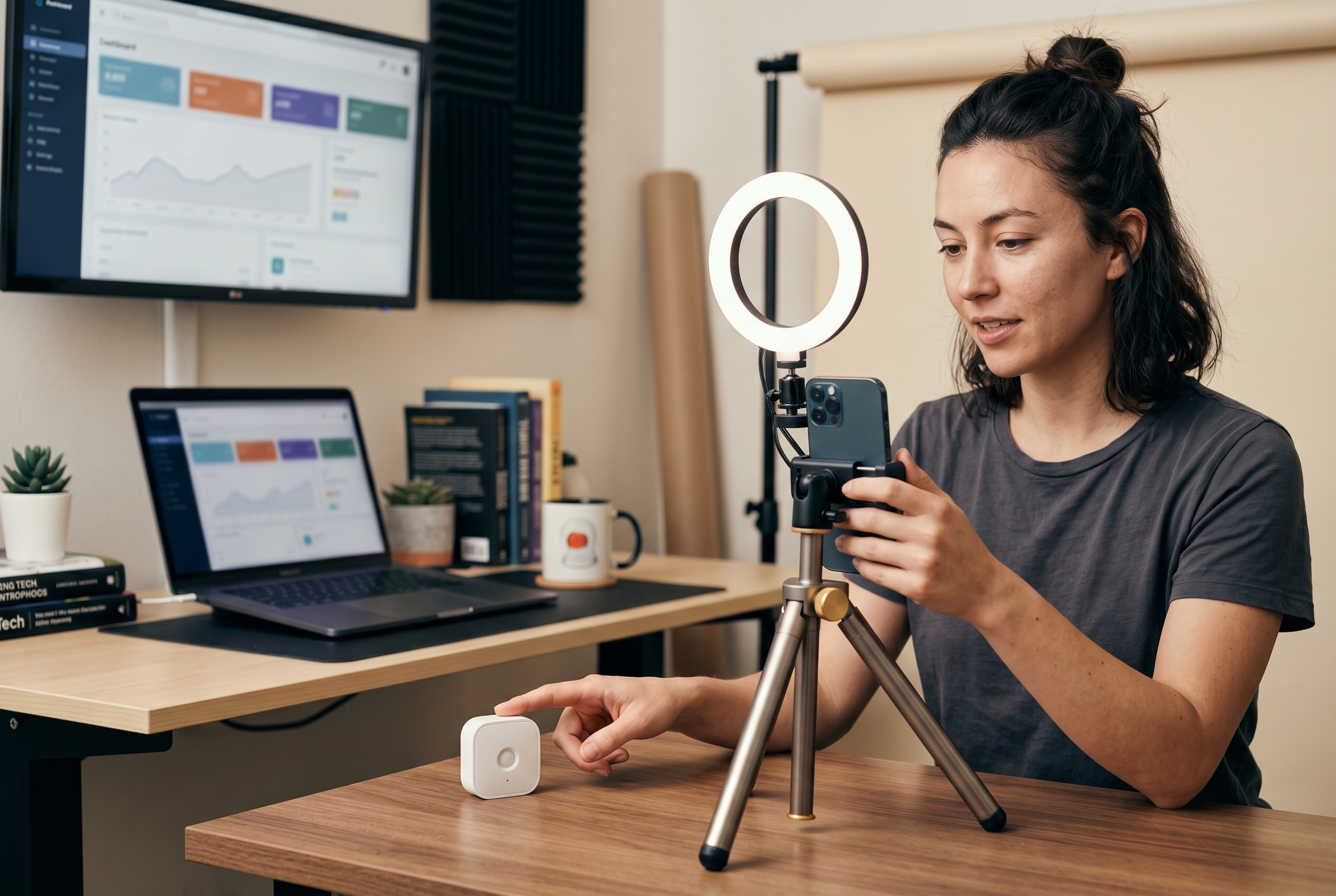
Social platforms are where new brands get discovered today. The beautiful part: organic reach is genuinely free, and a single video can reach hundreds of thousands of people with zero ad spend. The challenge is consistency and knowing which platform fits your product.
Match the platform to your product
| Platform | Best for | Free tactic that works |
|---|---|---|
| TikTok | Visual, impulse, under-$50 products | Short demos, before/afters, trends |
| Lifestyle, fashion, food, beauty | Reels, carousels, behind-the-scenes | |
| Home, wedding, DIY, gifts | Pinning products and idea content | |
| YouTube | Considered, higher-priced items | Tutorials, reviews, unboxings |
You don't need all of them. Using social media for ecommerce free works best when you go deep on one platform your buyers actually use, then repurpose that content everywhere else.
Make content people share, not ads they skip
The fastest way to promote your online store without ads is to stop making content that looks like advertising. Show the product solving a real problem. Film how it's made. Reply to comments like a human. Pinterest in particular acts like a visual search engine — pins keep driving traffic months after you post them, making it one of the most underrated free channels for product stores.
Post consistently, not perfectly
One viral video won't build a business; a steady drumbeat will. Aim for several posts a week, study what gets saves and shares, and make more of that. The algorithm rewards accounts that show up.
Communities, Email, and Word of Mouth
Beyond search and social, some of the best free ways to get sales online come from places founders overlook: niche communities, your own email list, and the customers you already have.

Show up in communities where your buyers gather
Reddit, Facebook Groups, Discord servers, and niche forums are full of people discussing the exact problem your product solves. The rule is simple: be useful first, sell almost never. Answer questions genuinely. Share your expertise. When it's relevant, mention what you make. Communities smell self-promotion instantly and ban it, but they reward real contributors with loyal customers.
Build an email list from day one
Email is the one channel you actually own — no algorithm decides who sees it. Add a simple signup offer (a discount or a useful guide) and start collecting addresses before you even launch. A small, engaged list of 200 people can drive more revenue than 20,000 passive social followers.
Abandoned cart emails alone recover a meaningful slice of lost sales for most stores. If your platform doesn't include that by default, you're leaving money on the table. This is part of why consolidated platforms matter — features like abandoned cart, wishlist, and email automation come built in rather than as separate paid tools.
Turn customers into your marketing team
Your first buyers are your best advertisers. Ask for reviews. Make sharing easy. Offer a referral perk. A genuine "I love this" from a real person beats any ad you could run. Reviews also feed back into SEO and social proof, so they pull double duty.
How Do You Get Your First Sale Online?
To get your first sale online, tell everyone you already know, post your product in two relevant communities, list it where your buyers search, and send a launch email to your contacts. The first sale almost always comes from your existing network, not a stranger.
Here's a simple first-30-days plan to get the first sale for an online store without spending anything:
- Week 1: Tell your personal network directly — texts, not just a public post. Set up your Google Business presence and Search Console.
- Week 2: Pick one social platform and post daily. Join three communities and start contributing value.
- Week 3: Write your first two SEO blog posts targeting buying-intent keywords. Launch your email signup offer.
- Week 4: Ask your first customers for reviews and referrals. Double down on whatever channel drove the most clicks.
Track what works in a simple analytics view so you know where to spend your time next month. The goal isn't to do everything — it's to find your one or two best free channels and grow them.
Common Mistakes That Waste Your Free Traffic
Plenty of merchants do all the work above and still struggle, usually because of leaks at the store itself. Driving free traffic is pointless if visitors bounce.
- Slow, clunky store: If your mobile site takes more than three seconds to load, you lose most visitors before they see anything. Speed is a free conversion lever.
- Thin product pages: No reviews, weak photos, and copied descriptions kill trust and rankings at the same time.
- No way to recover lost visitors: Without abandoned cart emails or a wishlist, every distracted shopper is gone for good.
- Spreading too thin: Posting once a month on five platforms beats nothing — but barely. Concentrate.
- Selling before serving: In communities and content, leading with the pitch gets you ignored or banned.
Fix the store first, then pour traffic in. A site that converts 3% instead of 1% triples your sales from the exact same free visitors.
Your Free Traffic Playbook, Summed Up
Getting customers for free is slower than buying them, but it builds something durable: an audience and a search presence that keep working long after you log off. Start with SEO for compounding long-term traffic, pick one social platform and go deep, contribute genuinely in communities, and build an email list from day one. Land that first sale from your own network, then let reviews and word of mouth take over.
The merchants who win at free marketing for an online store aren't the most creative — they're the most consistent, on a store fast enough to convert the traffic they earn. If you'd rather spend your hours marketing than wrestling with plugins and page speed, Rovela builds a complete, search-ready store from a plain-language conversation — abandoned cart, reviews, email automation, and analytics included by default. Take a look at what's included, browse more guides on the Rovela blog, or describe your store and see it built in minutes. Then go earn your first free sale.