June 20, 2026
Dropshipping vs Wholesale: Which Model Wins in 2026?
Dropshipping vs wholesale, broken down by real margins, risk, and effort — so you can pick the right sourcing model before you spend a dollar.
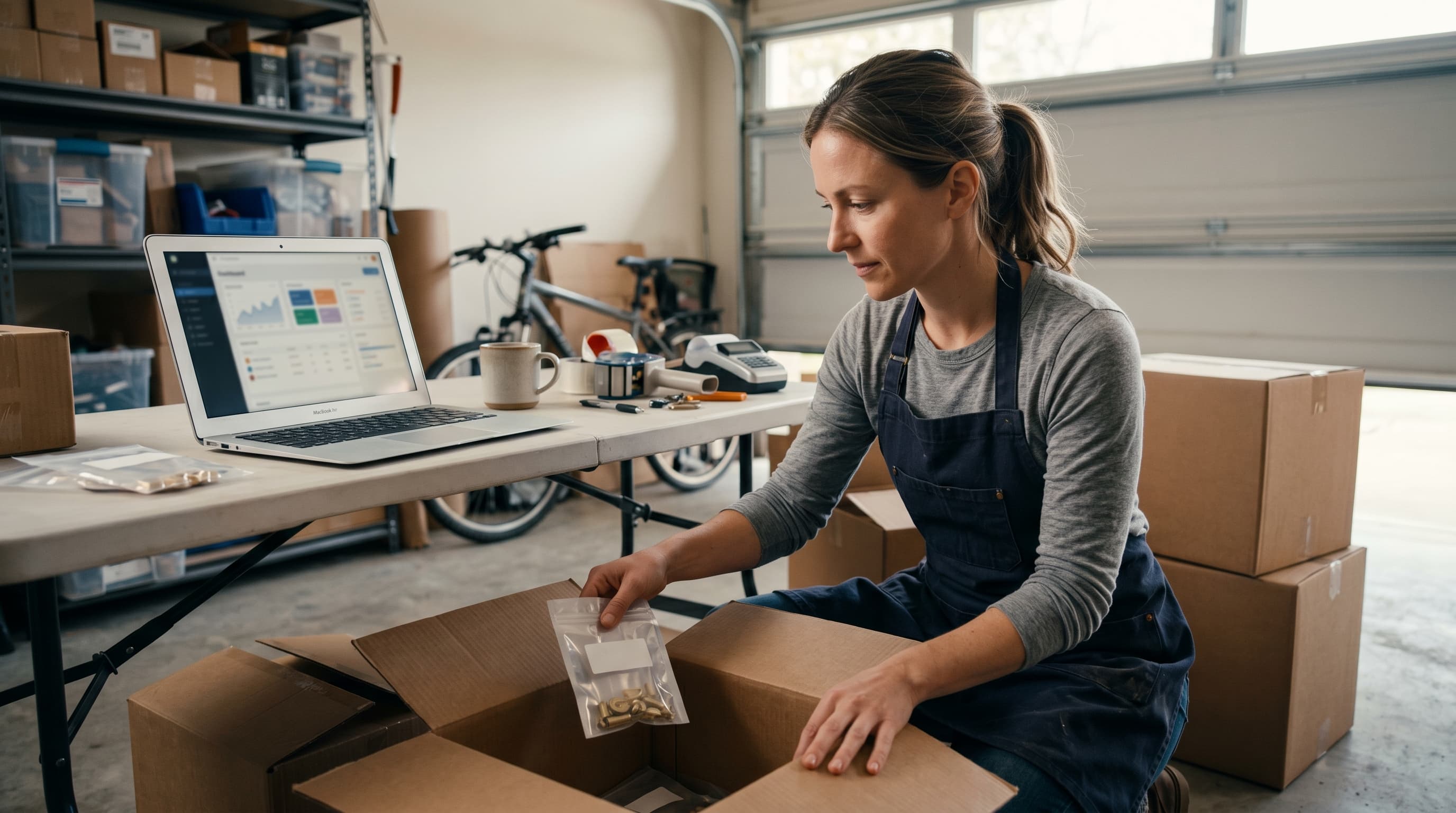
Pick the wrong sourcing model and you'll either bleed cash on inventory you can't move or chase razor-thin margins that never cover your ad spend. The dropshipping vs wholesale decision shapes everything that comes after it — your startup budget, your profit per order, how much control you have over quality, and how fast you can grow. Both models build real businesses. But they reward very different kinds of operators. This guide breaks down the numbers, the trade-offs, and the practical reality of each so you can choose with your eyes open.
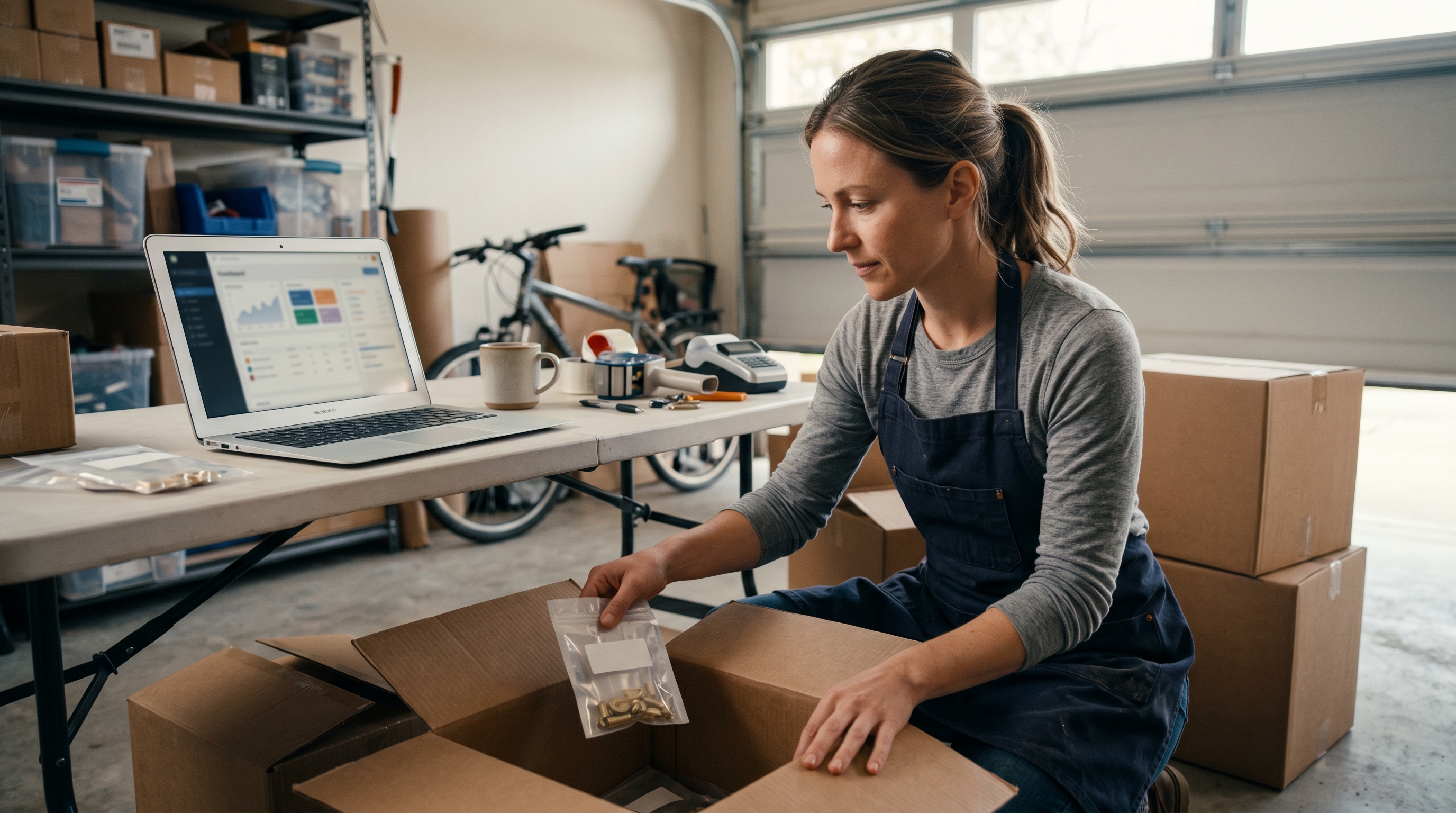
What dropshipping and wholesale actually mean
Before comparing them, it helps to define both models cleanly, because people muddle the terms constantly.
Dropshipping is a fulfillment method. You list products in your store, but you never touch the stock. When a customer orders, you forward that order to a supplier who ships it directly to the buyer. You pay the supplier only after you've made the sale. No inventory, no warehouse, no upfront product cost.
Wholesale means you buy products in bulk at a discounted unit price, hold that inventory yourself, and ship orders to customers as they come in. You pay for the goods upfront, store them somewhere, and pocket the difference between your wholesale cost and your retail price.
So the core of dropshipping vs buying inventory comes down to a single question: do you want to own the stock or not? That one choice cascades into cost, margin, speed, and risk. Both are legitimate ecommerce sourcing methods — neither is a scam, and neither is a shortcut to easy money.
Dropshipping vs wholesale: the head-to-head comparison
Numbers cut through the noise. Here's how the two models stack up across the factors that decide whether your store survives its first year.
| Factor | Dropshipping | Wholesale |
|---|---|---|
| Upfront capital | Low ($100–$1,000) | High ($2,000–$20,000+) |
| Typical gross margin | 10–30% | 40–60% |
| Inventory risk | None | You own unsold stock |
| Shipping speed | Slow (often 1–4 weeks) | Fast (you control it) |
| Quality control | Limited — you never see the product | Full — you inspect every unit |
| Branding & packaging | Hard to customize | Fully controllable |
| Scalability | Easy to add SKUs | Capital-bound |
The headline tension is right there in the margin row. When people search for dropshipping margins vs wholesale margins, this is what they're after: wholesale typically doubles your gross margin because you cut out the middleman markup. Dropshipping suppliers bake their own profit into every unit, which is why your slice stays thin.

Wholesale vs dropshipping profit: where the money really comes from
A 15% margin and a 50% margin sound worlds apart — until you account for volume, returns, ad costs, and the cash you sink into stock that doesn't sell. Let's run a realistic example.
A dropshipping order
You sell a phone accessory for $25. Your supplier charges $12 and ships it. After payment processing and roughly $8 in ad spend to acquire the customer, you're left with about $4 in profit per order. Scale that to 500 orders a month and you've made $2,000 — with zero inventory risk and almost no upfront cash. The wholesale vs dropshipping profit gap narrows when you remember you risked nothing to earn it.
A wholesale order
You buy 500 of the same accessory at $6 each — a $3,000 outlay. You sell at $25, spend the same $8 on ads, and clear roughly $10 per order. Sell all 500 and that's $5,000 profit. More than double the dropshipping return. But you fronted $3,000, and if only 300 units sell, you're sitting on $1,200 of dead stock that drags your real margin down hard.
That's the honest trade. Wholesale rewards you with fatter per-order profit and faster shipping, but it punishes bad demand forecasting. Dropshipping protects your downside while capping your upside. According to the broad definition of dropshipping, that lack of inventory ownership is the entire point — it's a risk-transfer model, not a profit-maximizing one.
Pros and cons of dropshipping vs holding inventory
Margins aren't the whole story. The pros and cons of dropshipping versus holding inventory vs dropshipping show up in your day-to-day operations, your customer reviews, and how much sleep you lose.
Dropshipping pros and cons
- Pro: Almost no startup cash — you can test products for the price of a domain and a subscription.
- Pro: Add or drop SKUs in minutes without buying anything.
- Pro: No warehouse, no packing, no inventory accounting.
- Con: Thin margins get eaten alive by rising ad costs.
- Con: Long shipping times frustrate customers and spike refund requests.
- Con: You can't control quality, and a bad batch becomes your problem.
- Con: Everyone can list the same products, so price competition is brutal.
Wholesale pros and cons
- Pro: Healthy margins that survive ad inflation and discounts.
- Pro: Fast, reliable shipping you fully control.
- Pro: Custom packaging and branding build a real, defensible store.
- Pro: You inspect every unit before it reaches a customer.
- Con: Real money at risk if products don't sell.
- Con: Storage, fulfillment, and inventory management eat time.
- Con: Reordering and cash flow require active planning.

If you want to buy wholesale and sell online with a recognizable brand, the inventory burden is the price of admission. If you'd rather validate demand before committing capital, dropshipping is your test lab.
Is dropshipping or wholesale better for beginners?
Which model should a first-time seller choose?
For most first-timers, dropshipping is the safer entry point because it lets you learn marketing, customer service, and product research without risking thousands on inventory. Once a product proves it sells, buying that winner wholesale dramatically lifts your margin. The smartest path often blends both.
That blended approach answers the question of is dropshipping or wholesale better more honestly than picking a single winner. Start lean. Dropship to find products people actually want. The moment a SKU shows consistent demand, order it wholesale to capture the wider margin and faster shipping. You de-risk the test phase and reward the proven phase.
For anyone weighing dropshipping vs wholesale for beginners, here's a simple decision filter:
- Choose dropshipping if your budget is under $1,000, you're still testing niches, or you want to validate before you commit.
- Choose wholesale if you've found a proven seller, you have $3,000+ to invest, and you care about brand, quality, and shipping speed.
- Blend both if you want to test cheaply and scale profitably — dropship to discover, wholesale to grow.
Whichever model you land on, the platform you build on matters as much as the sourcing. A store buried in plugin fees and slow load times will struggle regardless of how you source. The U.S. Small Business Administration consistently notes that undercapitalization and thin margins sink new retailers — so keep your fixed costs as low as the model allows.
Keep your costs low whichever model you pick
Both ecommerce sourcing methods live or die on overhead. Dropshipping margins are already thin, so a $200/month app stack can wipe out your profit entirely. Wholesale ties up cash in stock, so you can't afford to bleed more on monthly software bills. Either way, the platform you choose is a margin decision, not just a tech decision.
This is where the traditional setup quietly drains you. A typical store stacks a base subscription, plus paid apps for abandoned cart recovery, wishlists, reviews, and loyalty — averaging six add-ons per store and another $50–$200 every month. Those costs don't care whether you dropship or hold inventory. They just eat your margin.
Rovela takes a different approach. You describe your store in plain words, and it ships with over 100 features built in by default — abandoned cart, wishlist, loyalty, reviews, Stripe checkout, and analytics — under one flat subscription with no per-app billing and no commission on your sales. Built by operators who ran $15M+ in real GMV, it's designed to keep overhead off your margins so more of every order stays yours. You can compare what's included on the pricing page, or browse the blog for more guides on starting an online business.

The verdict: dropshipping vs wholesale
There's no universal winner — only the right fit for where you are right now. Dropshipping wins on low risk and fast testing, making it the obvious starting point when cash is tight and the product is unproven. Wholesale wins on margin, speed, and brand control, making it the clear move once you know what sells and have capital to deploy.
The operators who win biggest treat these as stages, not rival camps. Dropship to learn the market cheaply, then buy wholesale to scale the proven winners with real margins. Whichever route you take, protect your downside: keep fixed costs lean, forecast demand honestly, and don't let software fees quietly swallow the profit you worked to earn.
Ready to build the storefront behind your sourcing strategy? If you want a complete store — catalog, checkout, and 100+ features included — built from a single conversation instead of a pile of plugins, Rovela can have it live in hours. Pick your model, then put it to work.